 うたぴょんスポーツ
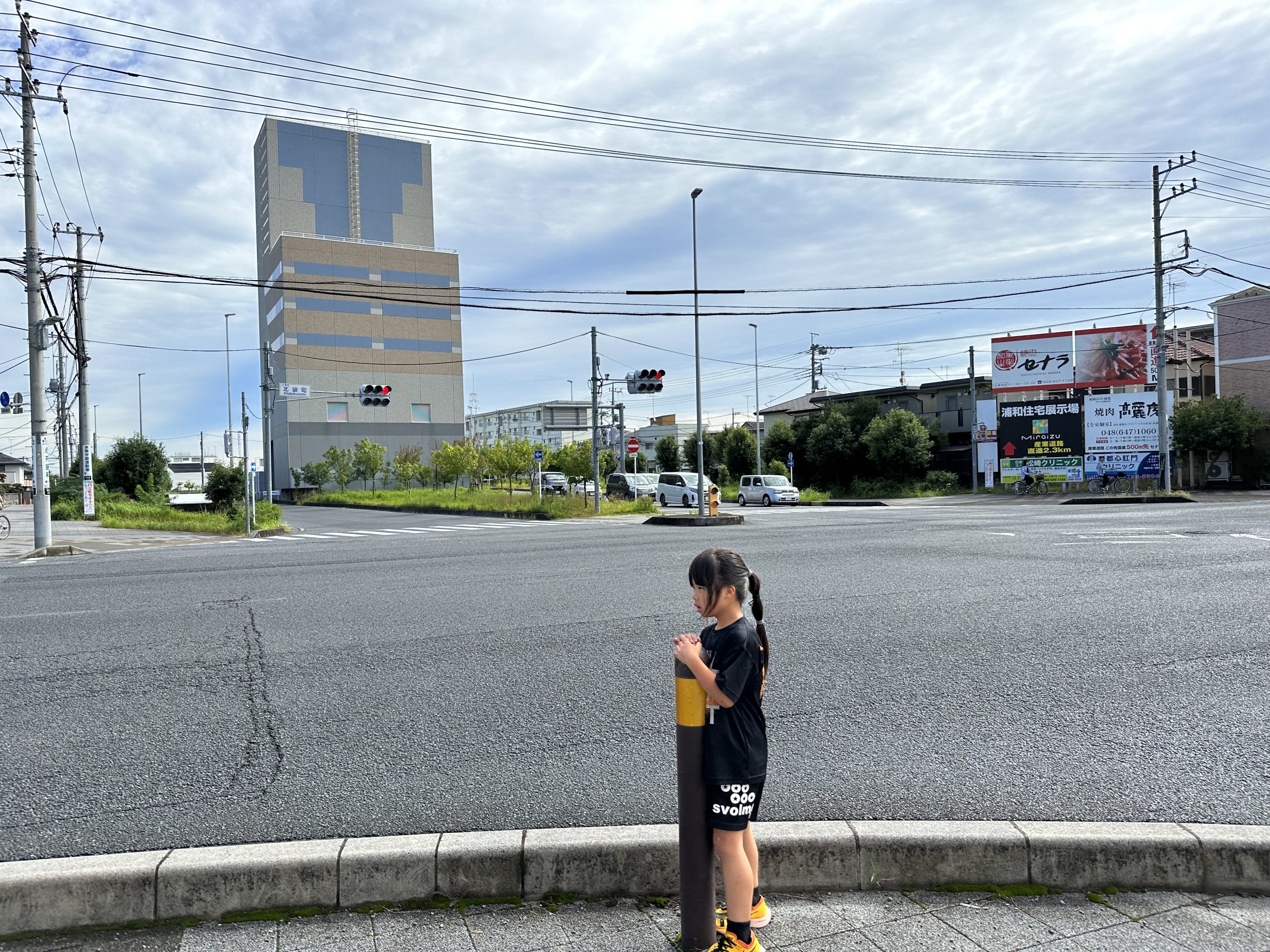
What pace should a parent use when jogging with a child? In November 2022, I looked back at my runs with Uta and realised that chasing a number was not the whole point. Our recorded averages ranged from 6:22 to 7:00 per kilometre, and I wanted our runs to leave more room for conversation and breaks.
These are one child's historical running logs in Japan, not average paces for primary-school children or a training plan for other families. The longer distances reflect what we happened to record; they are not suggested distances for a beginner.
Sponsored
Four runs from our November 2022 log
In the table, 7:00 per kilometre means seven minutes to cover one kilometre. The pace column is an average, so it does not describe every part of a run.
| Date (2022) | Distance | Pace / km |
|---|---|---|
| Nov 5 | 7.53km | 7:00 |
| Nov 6 | 8.01km | 6:53 |
| Nov 12 | 7.5km | 6:22 |
| Nov 24 | 1.39km | 6:32 |
For readers who use miles, 1 kilometre is approximately 0.62 miles. Our 6:22–7:00 per kilometre range is approximately 10:15–11:16 per mile. These conversions describe the same runs, not additional targets.
Why I reconsidered the pace
At the time, I entered Uta's 1000m result of 4:58 into a VDOT pace calculator. It returned 33.2 and an “E” pace range of 6:45–7:24 per kilometre. VDOT is a performance-based running index; the screenshot records the calculator output I looked at, not a medical or coaching assessment of Uta.
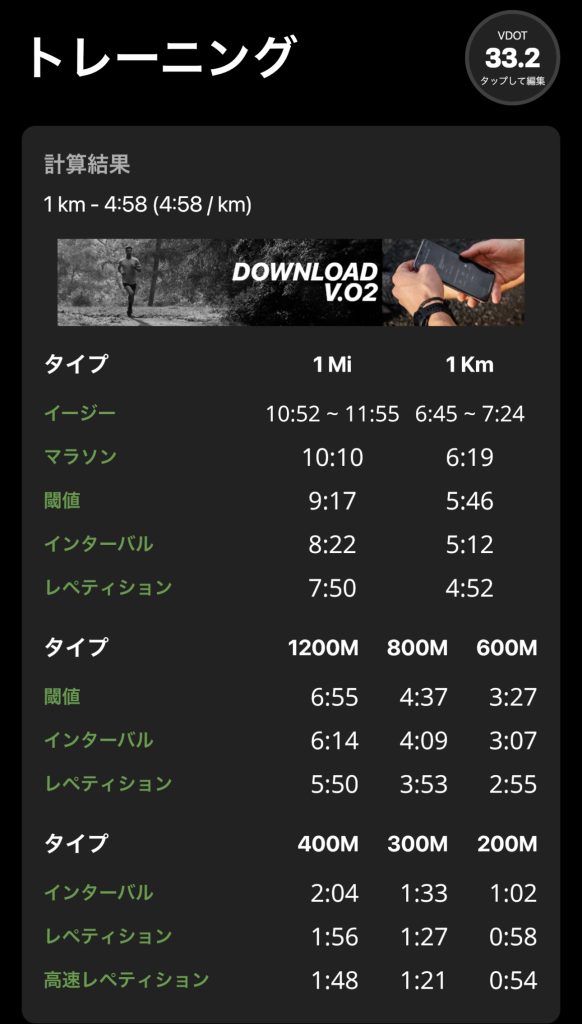
I wondered whether something slower, around 7:24–8:30 per kilometre, would make more sense for our jogging. This was my thinking at the time. I had not established a suitable pace for all children, and the calculator could not tell me how Uta felt on a particular day.
Some sections were faster than the range I had looked up. Runs longer than 3km generally included stops, such as traffic lights or breaks. I did not treat those outings as uninterrupted runs at one fixed pace.
A break at the park was part of the outing
After about 3km of continuous running, Uta would sometimes start asking when the next break was. Yet when we reached a park, she would head straight for the play equipment. As a parent, I used to wonder whether that counted as resting at all.
I came to see the playground as part of our time together. She could do something different instead of simply running from start to finish. Above all, I did not want our jogging to make her dislike running.
What I planned to change
My plan then was to keep our outings with stops somewhere in the seven-minute-per-kilometre range, and to think about roughly 7:30 per kilometre for a continuous jog. That was a personal adjustment to these logs, not a prescription based on school grade.
The point I wanted to keep was being able to chat and enjoy time together. A tidy average on a watch was less important than noticing whether this particular outing was working for us.
If you compare these logs with your own family, keep the date, the breaks and the individual child in view. A race time and an easy outing also serve different purposes; our article on 800m, 1000m and 1500m goals explains how I separated targets from averages and actual race results.
This is an English adaptation of our November 2022 Japanese jogging diary. It preserves the four recorded runs while explaining their context for readers outside Japan.