 うたぴょんスポーツ
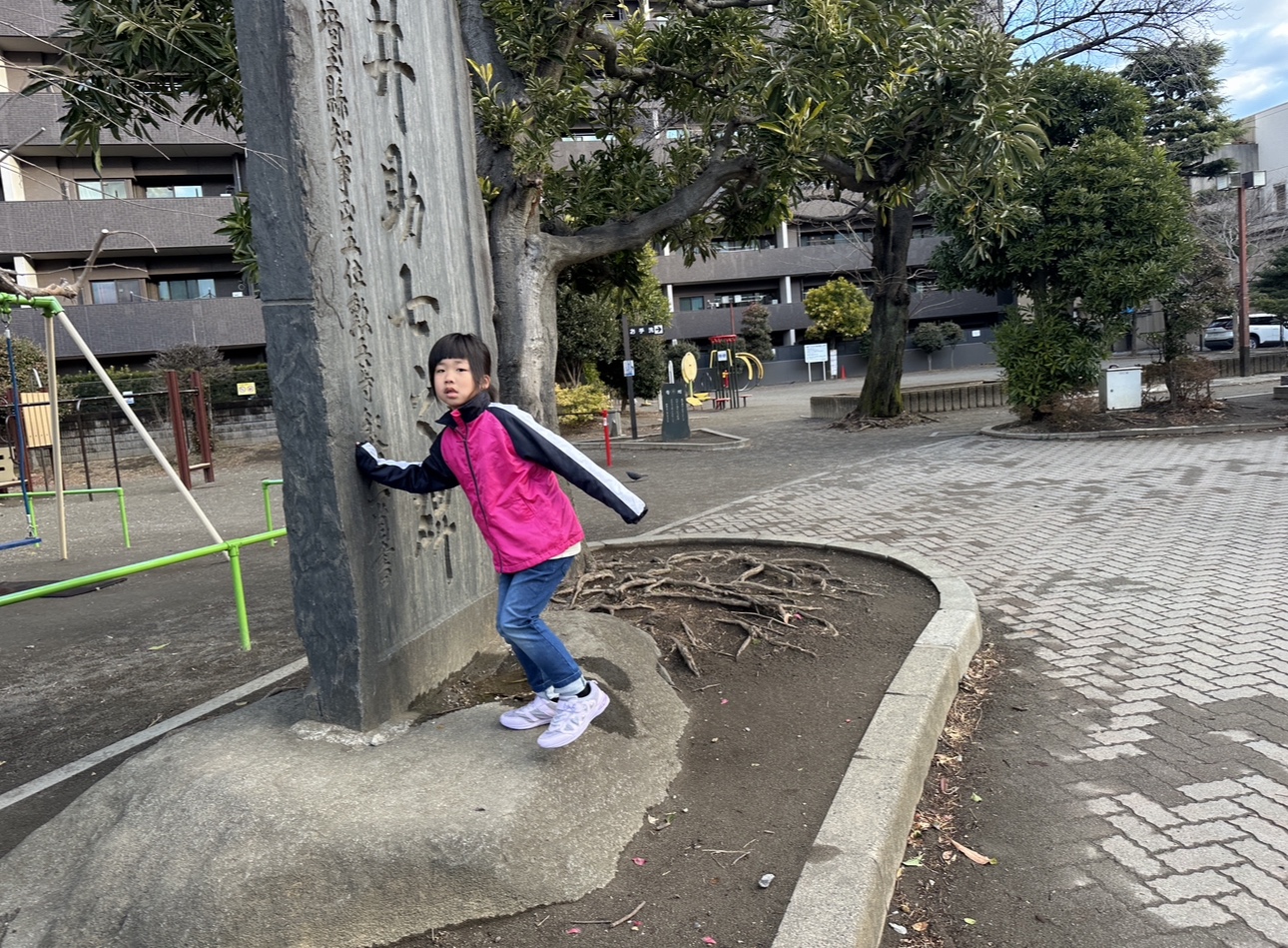
When Uta and I began entering parent–child races, I discovered that we experienced the same run differently. I found holding hands more tiring than running freely. She told me it helped her feel reassured. That difference became the starting point for how we approached these events together.
In Japan, you may see the term oyako marathon: oyako means parent and child. The word “marathon” in an event name does not necessarily mean 42.195km. Our family races have included much shorter distances, such as the approximately 1km Tokyo Marathon Family Run.
Sponsored
First, understand what your child wants
Our early question was whether we should hold hands throughout the run. We gradually found that a single rule did not describe what Uta wanted. Sometimes she asked for that contact; at other times she wanted to run freely. The useful conversation was about how she felt and what she wanted to try that day.
We wanted her pace to guide the run, without forcing her forward. Running together before race day helped me understand what “her pace” actually felt like. An adult's comfortable speed and a child's comfortable speed can be very different, even when both are enjoying the same activity.
Event rules also matter. Check whether a particular race has requirements about staying together or holding hands at the finish. Our preferences are a family experience, not a substitute for those rules.
Make the start less confusing
In my original account, I described lining up beside Uta and then moving just behind her for the start. I wanted to be close enough to follow what she was doing in a busy group. That was our arrangement, rather than a guarantee against contact or falls.
Another small detail was talking beforehand about whether we would begin hand in hand and let go later. Deciding that together avoided surprising her just as everyone started moving. I also needed to be ready to follow her, instead of assuming I would always be the one setting the pace.
Encouragement that refers to something she can see
Early in a race, my comments were usually about the run itself: that she was moving well or had found a good pace. Later, I used clearer landmarks, such as the stadium ahead or the corner before the finish. A visible destination was easier to understand than a vague promise that we were nearly there.
Our original article describes giving more distance updates after the halfway point. The useful part was making the remaining course understandable, rather than repeating “keep going” without explaining where we were headed. When she asked how much farther it was, I needed to listen as well as answer.
A later race showed how things could change
At the 2024 Joshu Hachioji Hills Fun Trail, Uta surprised me by asking to run on her own. We still finished together, holding hands on the final straight. In that race, choosing her own way of running mattered alongside the result.
Read that trail-race story and watch our video to see the situation behind the change. It is a useful companion to this earlier reflection: the same child can want different support as her experience grows.
For us, these events are about sharing the course with Uta. The best arrangement is something we keep discussing, rather than a decision made once and imposed on every race. Our family jogging account looks at what we tried between events.
Adapted from our original Japanese family account, first published 2023-02-17. Event details and results describe that visit.