 うたぴょんスポーツ
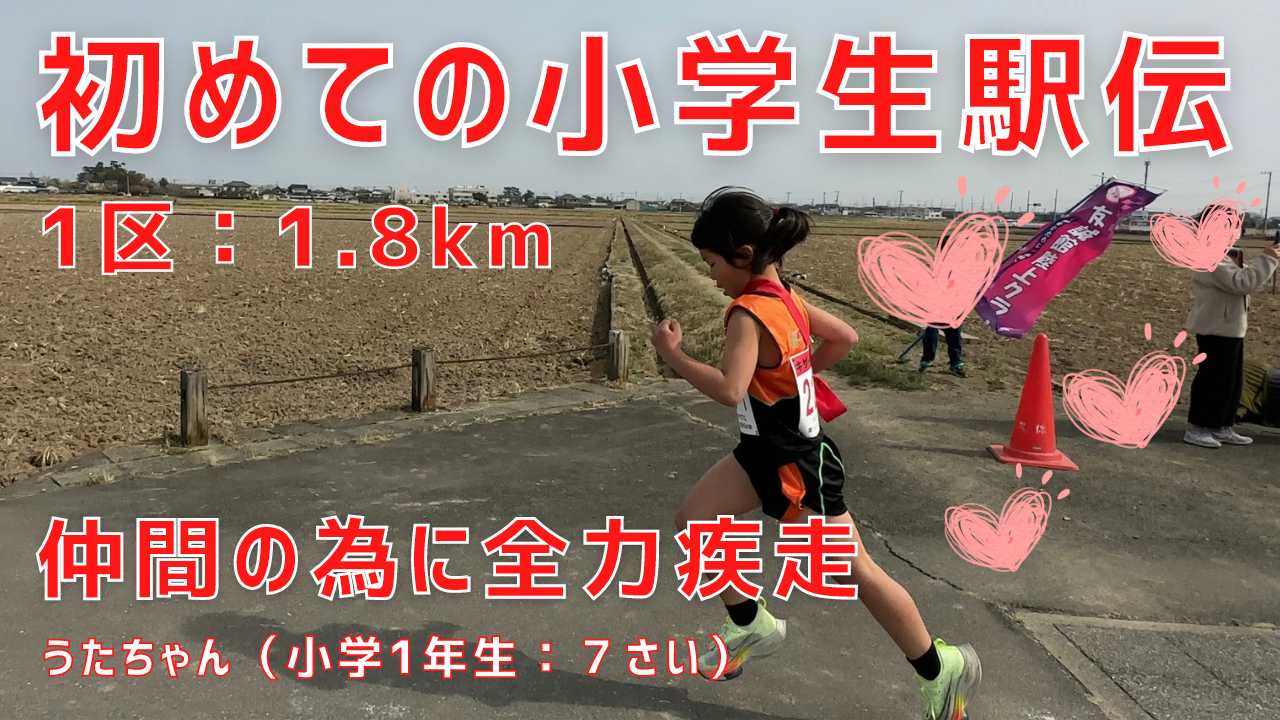
Uta's first ekiden came sooner than we expected. A fifth-grade teammate was unable to race, and our first-grader stepped in for the opening leg at the Kazo Fujinosato Ekiden in 2023. At seven years old, she was about to run 1.8km and pass a team sash to the next runner for the first time.
As her father, I wondered whether she would end up running alone behind the field. Instead, she kept working to stay with the group, passed a runner and completed her leg in 8 minutes 6 seconds. The result mattered, but so did learning what it meant to carry her team's race into its next stage.
Sponsored
A relay with a sash
An ekiden is a distance relay. In this race, the runners handed over a sash, called a tasuki, rather than a track-relay baton. Uta was the first runner, so she started with the field and then had to pass the sash to the second-leg runner waiting for her.
Our English introduction to children's ekiden in Japan explains more of the format through Uta's races. This particular day was the beginning of her own experience with it.
Learning the course before the start
After meeting the team, changing into her uniform and checking the course, Uta warmed up with the other children. The route had an early turnaround, narrow farm roads and changes in level. Later came a gradual rise and a bridge to climb and descend before the end of the leg.
I went around the course again to decide where I could cheer and film. Other parents also recorded parts of the race, which is why the finished video shows several different viewpoints rather than just one position beside the road.
Staying in touch with the group
She started near the back, partly hidden behind taller children. When I saw her after the start, she was at the rear but still trying to stay with the runners ahead. At my next viewing point, around 800m, she had passed one girl.
Only when editing the video did I estimate her first kilometre at about 4:23. That was encouraging compared with her recent track attempts, but it was a split reconstructed from the race video, not an official 1000m track result. The full leg was longer, and its later hills made the pace uneven.
When Uta returned towards the exchange area, she was still following the group she had been chasing. I could see her determination more clearly there than I could from the final number alone.
The handover was a new skill
Taking off the sash while still running looked unfamiliar to her. There was a moment of hesitation, but she passed it successfully to the older girl running the second leg. Uta's part of the race was finished; her teammate's was beginning.
We recorded 8:06 for the 1.8km leg, an average of 4:30 per kilometre. I was pleased with how she had handled the distance and course, especially after worrying about her being isolated at the back.
What happened next?
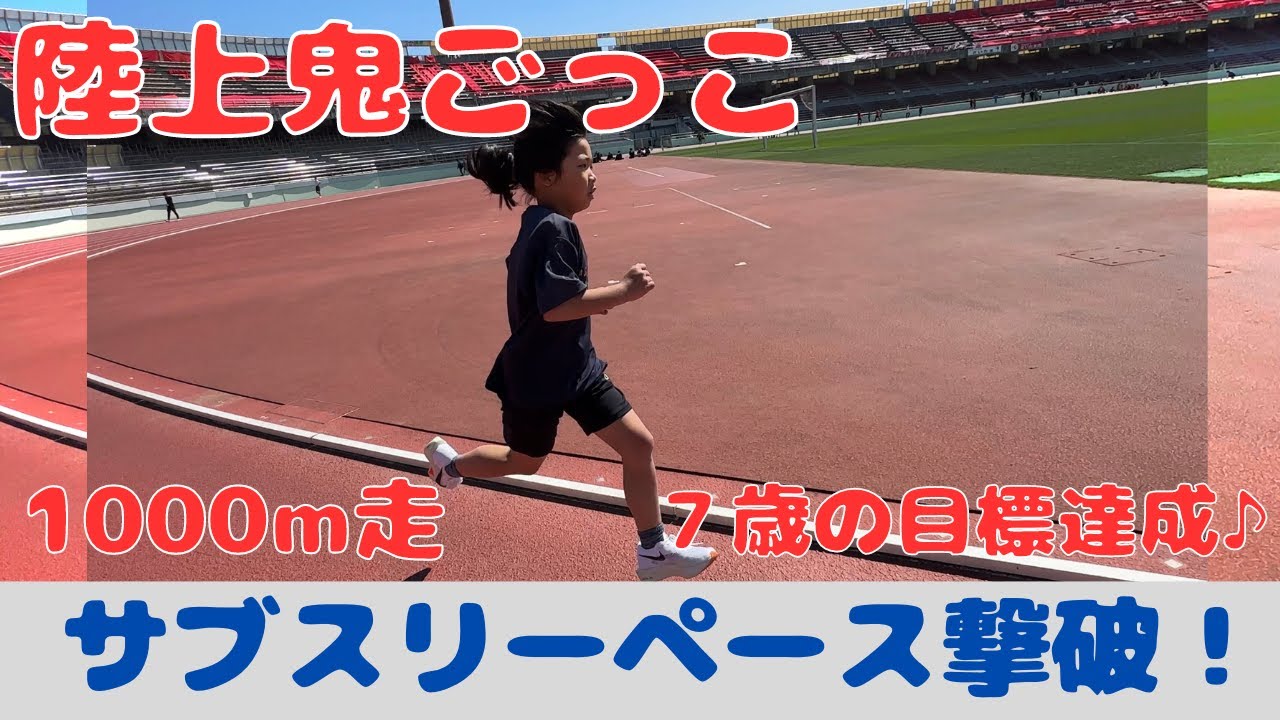
A later club session gave us another chance to watch her try a timed run: a 1000m chase game that she completed in 4:10. Read the two accounts together and you can see different settings for her running, rather than treating one race split as a universal measure.
For a broader view of the numbers we used as she grew, see our family’s 800m, 1000m and 1500m goals. They describe Uta's experience, not standards every child should meet.
Adapted from our original Japanese family account, first published 2023-03-17. Event details and results describe that visit.