 うたぴょんスポーツ
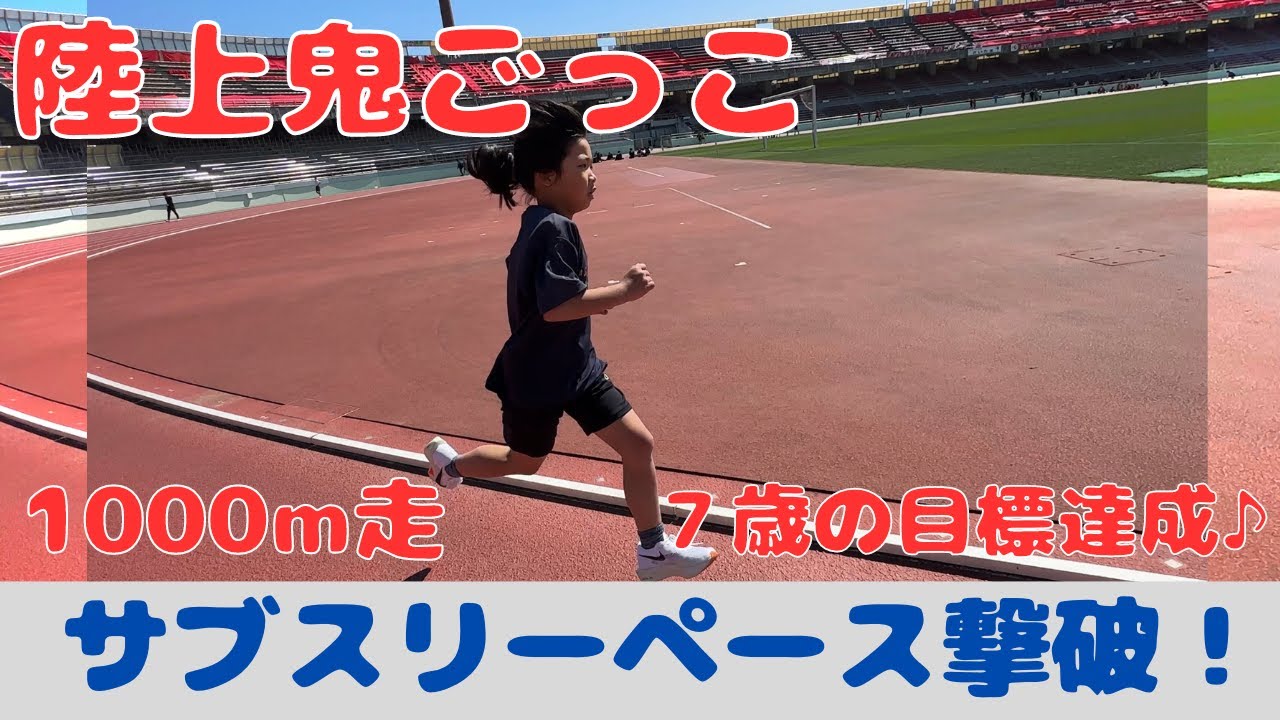
On March 19, 2023, seven-year-old Uta ran 1000m in 4 minutes 10 seconds during a running-club chase game. Her target for that session was 4:20. Instead of everyone starting together, the children set off at different times, giving the faster runners someone to chase.
The Japanese title of our original article calls it running onigokko, or tag. Here, the idea was a running chase with staggered starts; the recorded result was a 1000m run. It gave our family a memorable view of Uta's progress that spring.
Sponsored
How the staggered start worked
The start order was based on each child's target time. Children aiming for a longer finishing time went first, and those with faster targets started later. If everyone hit their target, the intention was for them to reach the finish together.
For example, the session included a 4:50 target and Uta's 4:20 target. The difference between those targets is thirty seconds. That illustrates the handicap idea: the child with the longer target would receive a head start, rather than having to keep up with the quickest runner from the beginning.
The recorded targets in this group ranged from 4:50 to 3:15. Those were targets for the particular children taking part that day, not recommended times for children of those ages generally.
Where 4:10 fitted into her own record
We had set a family goal of 4:15 for Uta at age seven. This run was five seconds inside that goal and ten seconds faster than her target for the session.
Her earlier results show why we were surprised:
- January 15, 2023: 4:42 in a 1000m time trial.
- February 12, 2023: 4:55 in another 1000m time trial.
- March 19, 2023: 4:10 in the club chase session.
The sequence includes a slower run before the quicker one. Looking only at January and March would hide that part of the story. These were also different days and settings, so the change cannot be credited to the chase format alone.
A race had already made us curious
Shortly before this session, Uta had completed the opening 1.8km leg of her first ekiden. While editing that race video, I estimated her first kilometre at around 4:23. It made me wonder what she might do in a shorter timed effort.
The ekiden split and the club result are useful memories, but they measure different things. One was a video-based split within a longer road relay; the other was the result of this 1000m club session. Neither establishes an average time for seven-year-olds.
Why we kept this session on video
A result list can show 4:10, but the video also shows the setting: children of different ages sharing a session, with the start arranged around their individual targets. That context helps explain why this was more than another number in our notebook.
I see it as one moment in Uta's development, not proof that every child should copy the workout. The useful comparison for our family was with her own previous attempts and with the goal we had discussed.
For the next part of that story, our 800m, 1000m and 1500m goal-time article includes a later 1000m race video with English subtitles. Our family jogging account describes the less numerical side of running together.
Adapted from our original Japanese family account, first published 2023-03-23. Event details and results describe that visit.